How Casino Language Shapes Stories About Bắc Giang
Casino language in Bắc Giang can shape how readers understand a proposed development; learn to identify its framing, context, and limits.
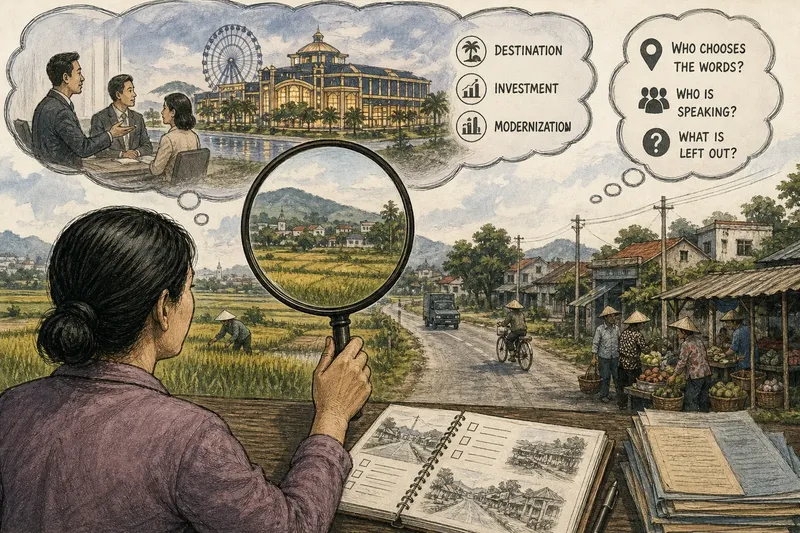
Casino language in Bắc Giang can make a countryside proposal sound like a tourism story, an investment pitch, or a change to local life. The words themselves matter: calling a place a “destination,” for instance, frames it differently from calling it a village, a worksite, or a proposed development.
Words and place
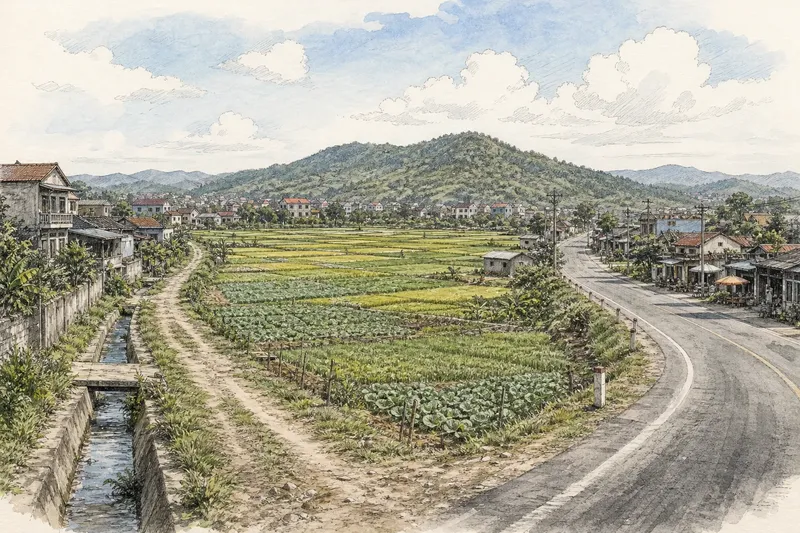
Bắc Giang’s countryside is not a blank backdrop for a casino-led narrative. Descriptions of villages, roads, farmland, markets, and nearby towns connect a proposed development to places where people live and work.
Words such as “investment,” “tourism,” and “modernization” carry favorable associations, while terms such as “gambling” or “land use” point toward different concerns. A reader can ask what each word brings into focus and what it leaves in the background.
Framing the proposal
A frame is the angle through which a story presents an issue. A company statement might emphasize a hoped-for leisure destination; a local account might focus on access to familiar places or changes to everyday routines.
Neither frame automatically describes the whole situation. Notice who is speaking, what they emphasize, and whether the wording presents an aspiration, an existing condition, or a decision.
Local language
Place names and ordinary descriptions can anchor a story more clearly than broad promotional labels. Naming a commune, a market, or a road helps readers understand which landscape is being discussed, provided the source actually identifies it.
Local voices should be represented with care. A single comment is one person’s account, not a substitute for the views of an entire community; likewise, a general label such as “residents” should not conceal who was consulted or quoted.
Reading casino language?
What does “destination” suggest?
It suggests a place people might travel to, often for leisure. In a proposal, the word expresses a frame or aspiration unless the source establishes that the place already operates that way.
How does “investment” shape a story?
It directs attention toward spending and anticipated economic activity. Readers can ask what specific activity the source describes and whether it distinguishes a plan from an outcome.
Why name the countryside?
Specific place names help readers connect a broad proposal to its geographic setting. They also make it easier to see when a story shifts from a particular location to general claims about the region.
Can one quote represent local opinion?
No single quote establishes what a whole community thinks. Attribute the words to the person quoted and avoid expanding that account beyond what the source supports.
A language checklist
- Place names: Check whether a specific village, commune, or road is named; if it is, retain the location accurately, and if it is not, keep the description general rather than guessing.
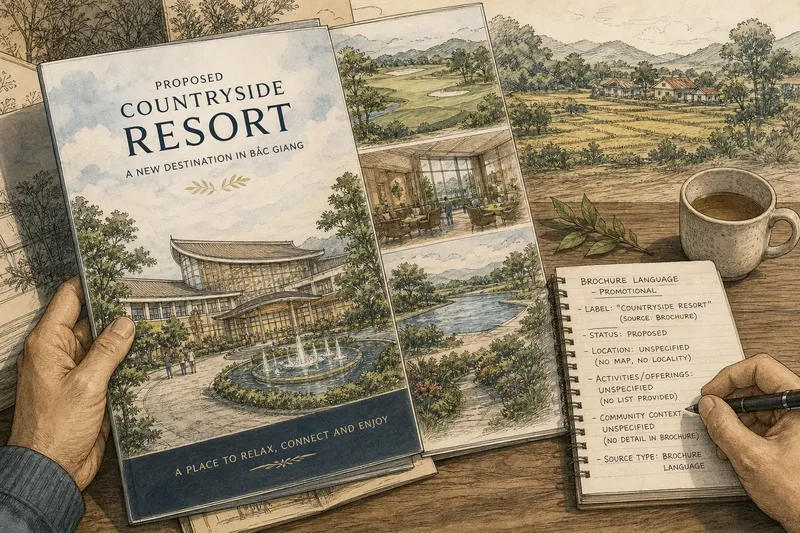
- Promotional terms: Check for words such as “destination” or “world-class”; if the source uses them, attribute them as its framing, and if it does not, avoid inserting them as neutral description.
- Proposal status: Check whether the wording says proposed, planned, or operating; if a status is stated, preserve it, and if none is given, do not imply that the project is settled or underway.
- Everyday setting: Check whether the account mentions farmland, roads, markets, or homes; if it does, explain their relevance using the source’s details, and if it does not, do not invent local effects.
- Quoted voices: Check who is quoted and how they are identified; if a person’s role is clear, describe it accurately, and if it is not, attribute only the words without assigning a community-wide position.
- Claim versus outcome: Check whether a sentence describes a hope or an observed condition; if it is a stated expectation, call it an expectation, and if the source gives no outcome, leave the result open.
A framing example
Imagine an invented proposal that names one countryside site and uses the phrase “regional leisure destination.” Start with the stated inputs: one location, one proposed site, and one promotional phrase. First, describe the location only as specifically as the invented proposal does; next, attribute “regional leisure destination” to the proposal rather than presenting it as an established fact; then note that the document supplies no account of how the site would affect nearby routines. The resulting description is precise but limited: readers know which place the proposal names, how its authors frame the idea, and which local effects remain unspecified.
Keep the wording grounded
When writing about casino language in Bắc Giang, use the source’s exact terms when they shape the story, then make clear who chose them. Replace broad claims about local change with the specific place, proposal, or voice the available material supports.
That distinction helps readers notice when a countryside setting is being used as scenery and when it is described as a lived place. If a story supplies only a promotional label, ask what concrete location and everyday context the label leaves unnamed.