What “Resort” Signals in Casino-Led Development Language in Bắc Giang
See what “resort” signals in casino-led development language in Bắc Giang, and separate a project’s promotional wording from what its documents actually state.
In casino-led development language in Bắc Giang, the word resort frames a proposed place as a leisure destination before it tells readers what the plan contains. That distinction matters in a countryside setting, where a polished label can travel farther than details about a project’s status, location, or relationship with nearby communities.
Destination language
In ordinary English, a resort is a place associated with recreation or rest; in phrases such as “a last resort,” the word instead means a final course of action. For a casino-led project, the destination sense is the relevant one, but it remains a broad label rather than a description of specific facilities.
Paired with words such as countryside or rural, resort can invite readers to imagine open space, a retreat, or a visitor destination. Those associations are part of the wording, not proof that a site has particular amenities or that local people experience it in the way the promotional language suggests.
Casino and countryside
Casino language places one activity in the foreground; resort can place it within a larger leisure frame. The combination may make a project sound like a complete visitor destination, even when a document describes only a proposal or gives limited information about its component parts.
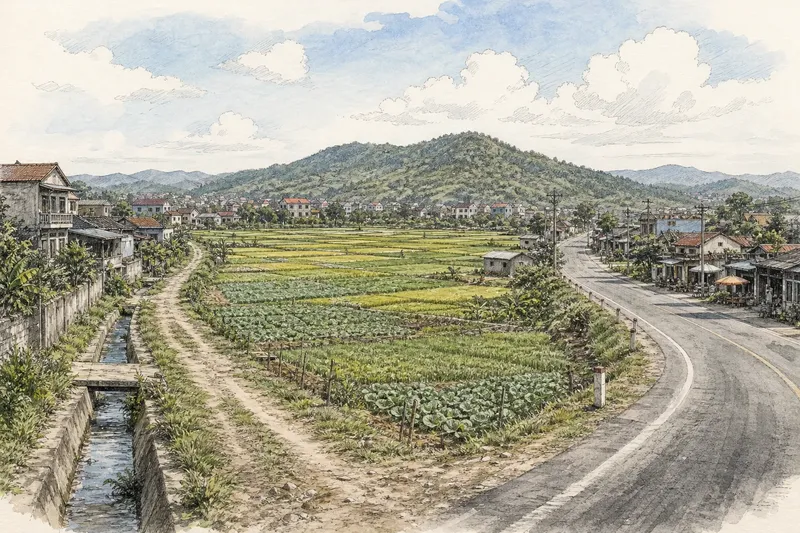
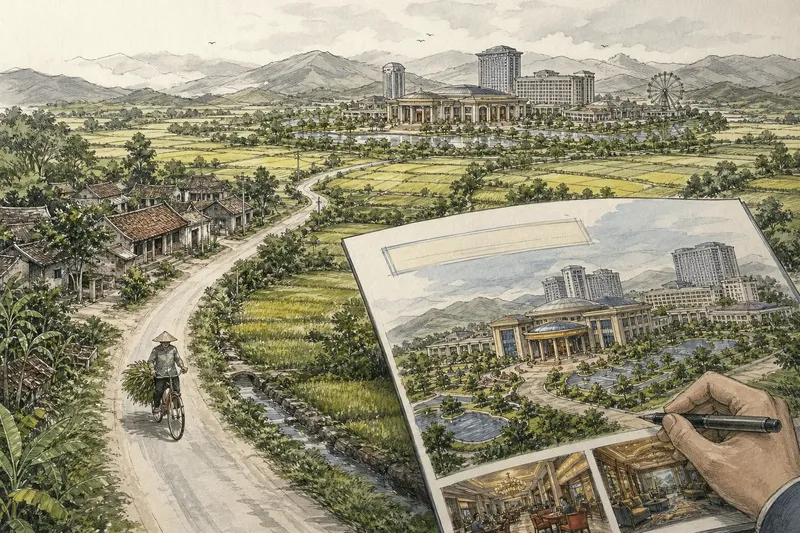
The countryside setting also changes what readers may wonder about: how a proposed site relates to surrounding settlements, land use, access, and daily life. The word resort does not answer those questions, and it should not be used as a substitute for documented details.
Keep the destination label separate from the place and people it describes.
What does “resort” suggest?
Does “resort” mean lodging is planned?
Not by itself. Look for an explicit description of lodging in the source before stating that a project includes it.
Why pair “resort” with “casino”?
The pairing presents gambling as part of a broader leisure destination. It describes a framing choice; the wording alone does not establish which other activities or services are planned.
What does “rural resort” tell readers?
It signals a countryside association, but it does not identify a site’s precise location or explain how the project relates to nearby communities. Use a map or other direct location information for those details.
How should a proposed site be named?
Attribute the label to its source and retain the status the source gives, such as “proposed.” Add details about location or activities only when the document states them.
Reading a project description
Check the wording and the document’s concrete details separately. Each observation should guide a clear choice about what to say:
- Label: If a promoter calls the project a “resort,” attribute that term to the promoter; if a public document uses a different name, use that name when describing the document.
- Status: If the source says “proposed,” describe a proposed project; if it identifies an operating site, use the status it states rather than carrying over an earlier label.
- Location: If a map or named locality appears, use that stated location; if neither appears, leave the site’s precise setting unspecified instead of inferring it from “rural.”
- Activities: If the source lists a casino or other activities, name only those listed; if it offers atmosphere without a list, describe the language as promotional rather than filling in missing facilities.
- Community detail: If a document describes nearby settlements or land use, report those particulars within the source’s scope; if it does not, say that the document provides no such detail rather than guessing at local effects.
- Source type: If the wording comes from a brochure, identify it as brochure language; if it comes from a planning document or a local account, name that kind of source and do not treat one as a substitute for another.
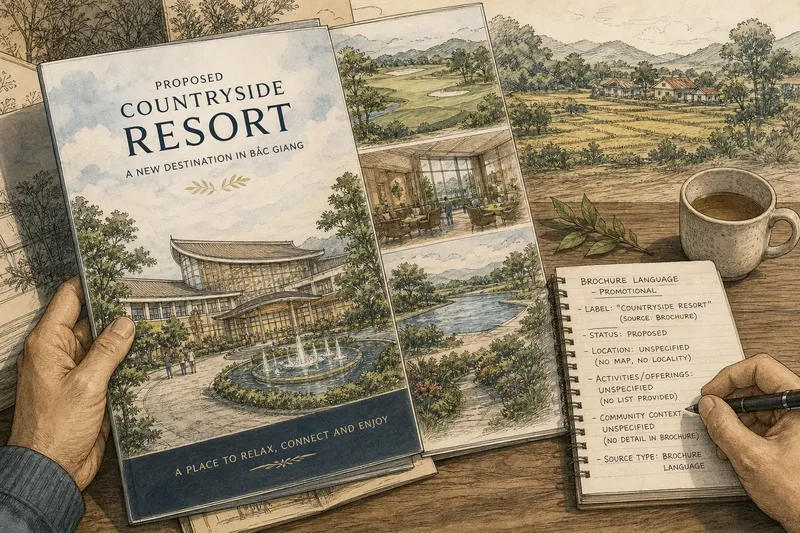
Imagine a fictional brochure for a proposed casino-led site in Bắc Giang. It calls the project a “countryside resort,” but gives no map, activity list, or account of nearby settlements. A reader records that the brochure uses the label, retains “proposed” as the stated status, and describes the location, offerings, and community context as unspecified in that brochure; the result preserves the promotional framing without presenting it as a full project description.
From label to account
A project label can shape expectations because it gathers several ideas—leisure, travel, and place—into one familiar word. For an account of casino-led development in Bắc Giang, the useful question is not whether resort sounds appealing, but what the named source actually establishes about the proposal and its countryside setting.
When comparing descriptions, keep the original wording beside the stated status and any specific location or activity details. That simple separation makes it easier to see where promotional language ends and the available account of the place begins.